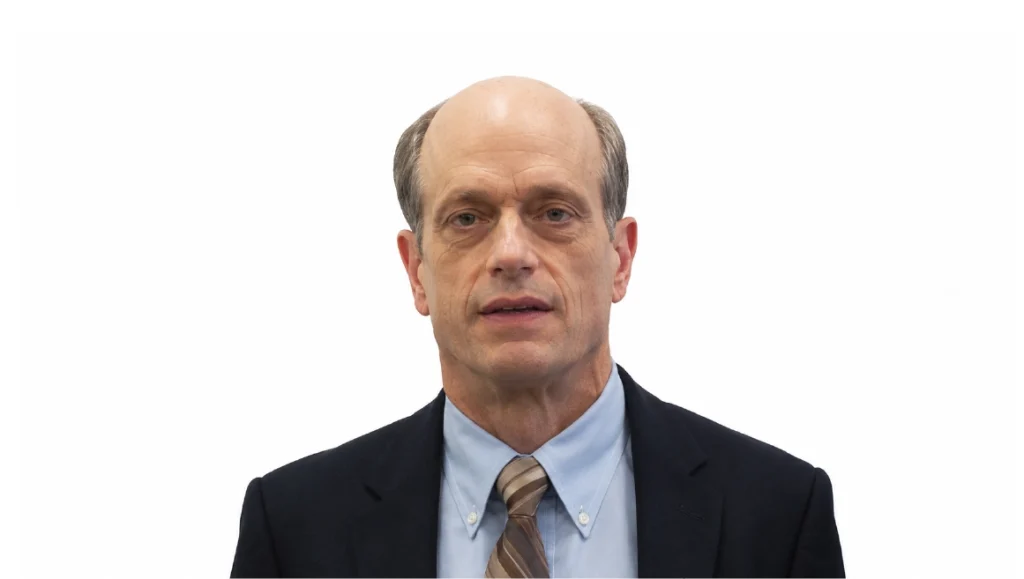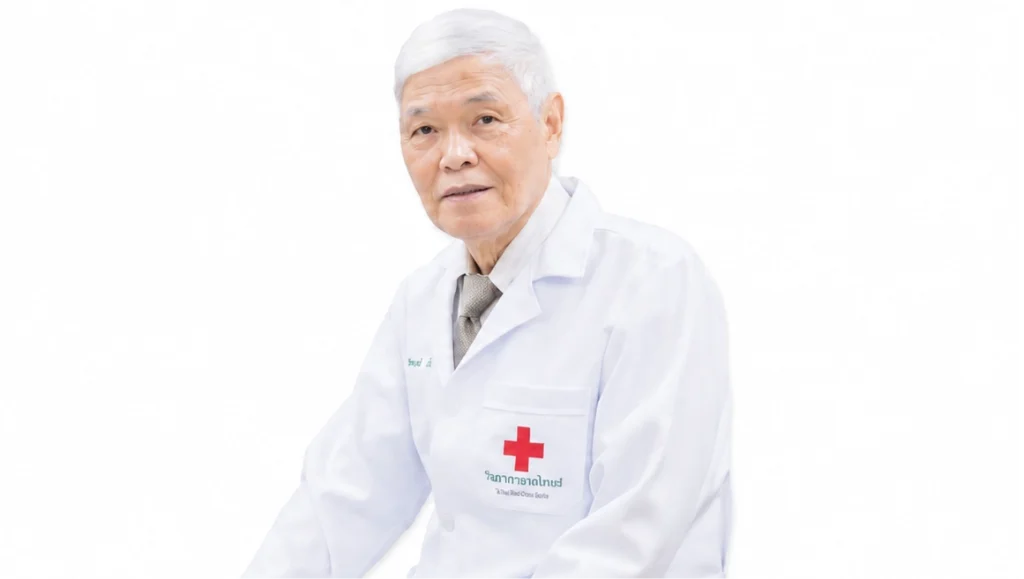

Associate Professor

DAVID MICHAEL PAYNE

Division of Research Affairs, Faculty of Medicine, Chulalongkorn University 

Research interest :

  • Translational Research — Novel ‘Next-Gen’ Antivenoms using Human Monoclonal Antibodies
  • Antibody Technology and Immunotherapy
  • Systems Biology and Proteomics
  • Mechanisms Regulating Cellular Physiology and Signal Transduction
  • Cancer Molecular Biology and Biochemistry

biography :

David Michael Payne received his undergraduate and doctoral degrees from the University of North Texas (B.S., Biology & Biochemistry; Ph.D., Molecular Biology & Biochemistry).  He then completed five years of postdoctoral training at the Cancer Center, University of Virginia (UVA) School of Medicine.  As a senior postdoc/assistant professor at UVA, Michael led the research team that discovered the identity of pp42 as MAP kinase and the mechanism for its regulated activation in mammalian signal transduction.  He also led another research team that discovered a mechanism for malignant transformation of cells by the src-oncogene tyrosine kinase, involving novel “unscheduled” phosphorylation and activation of growth factor receptors (i.e., activation of receptor signaling in the absence of growth factor binding to receptors).  During his career in the USA, Michael was a faculty member at four major universities plus the National Institutes of Health.  He established a record of excellence in teaching and mentoring students, competed successfully at the national level for grant funding (National Science Foundation, National Institutes of Health and American Cancer Society), and published consistently in the top 10% of peer-reviewed journals in molecular/cell biology and biochemistry.  He has been an international faculty member here at MDCU since 2015 (Feb), originally helping the director (Dr. Trairak Pisitkun) of the new CU Center of Excellence in Systems Biology to develop and lead that state-of-the-art biotechnology research facility (2015–2018).  Since then, Michael has been leading an international collaboration in a translational research project to develop a ‘Next-Gen’ immunotherapy for treatment of snakebite envenoming (which creates more than 2 million victims annually, resulting in more than 400,000 disabilities and 100,000 deaths every year).

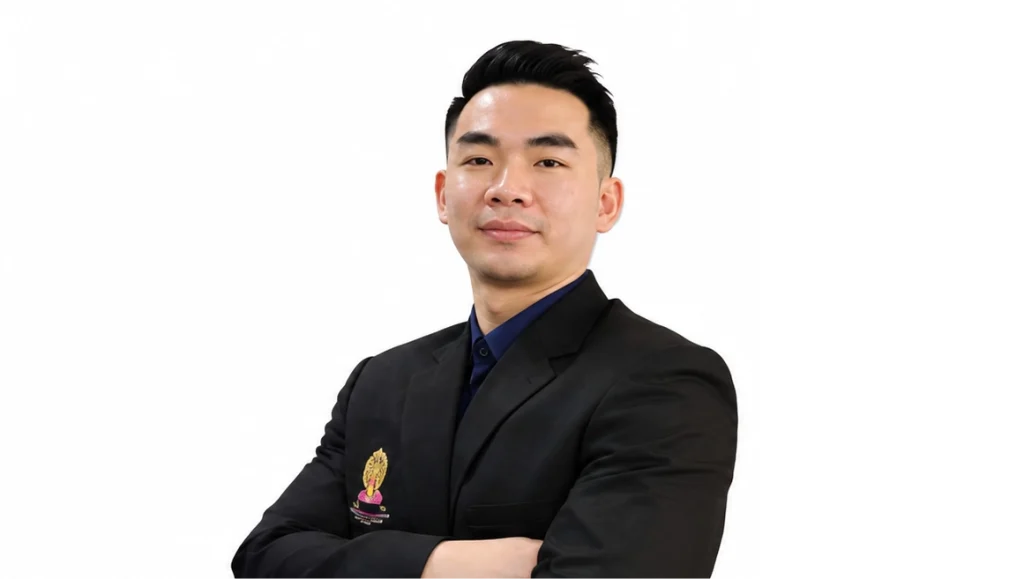
Associate Professor

CHAIYABOOT ARIYACHET

Department of Biochemistry 

Research interest :

  • Diabetes 
  • Liver Fibrosis  
  • Stem Cell
  • Hepatic Stellate Cell 
  • Reprogramming

biography :

I’m interested in cell replacement and gene therapy for diseases related to the gastrointestinal system (gut, liver and pancreas). My previous work has engineered the gastric tissue as a renewable source for insulin production. My current work includes culture of adult stem cells from human gastrointestinal tract as a resource for production of new insulin-producing cells. In addition, I’m working on identifying therapeutic targets for treatment of liver fibrosis.

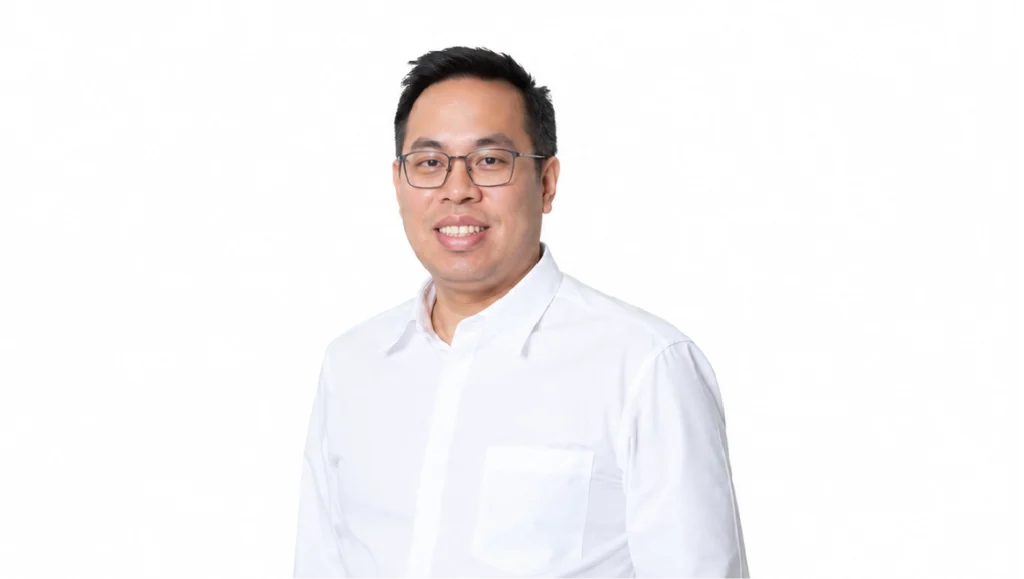
Associate Professor

BOONRAT LOHWONGWATANA

Biomedical Engineering Research Center and Metallurgical Engineering Department

Research interest :

  • 3D printing
  • Biomaterials
  • orthopedics
  • plastic surgery
  • Neuro surgery

biography :

Dr. Boonrat is an Associate Professor of Metallurgical Engineering at Chulalongkorn University. Dr. Boonrat held numerous advisory positions and executive positions such as: Committee Boards of the Faculty of Engineering, Chulalongkorn University, Director of Biomedical Engineering Research Center, Director of Chulalongkorn University Technology Center (UTC) MedTech division, Assistant Dean in Research, and Deputy Head of Department. He also advises various companies in the electronic, automotive, biomedical and jewelry industries. He has completed more than 30 research projects with industrial partners such as Western Digital, Pandora, Toyota, Mattel, Thaioil, IRPC, PTT, etc. He has received numerous awards including Thailand Young Metallurgist award (2013) and Thailand Young Technologist award from Princess Mahachakkri Sirindhorn (2012). Other accolades included Research Awards (2014, 2015), and Innovation Award (2007) from the Santa Fe Symposium for jewelry manufacturing technology. He has pioneered the 3D printing of biomedical titanium for orthopedic, plastic surgery and neuro-surgery applications. As the devices are fully customized patient-specific, the outcomes of 370+ clinical cases have shown this technology as a promising pathway to make impacts. The TFDA approval and commercialization of research gave birth to Meticuly, a spin-off company that focuses on the platform to create on-demand devices for leading medical professors from medical schools in Thailand and South East Asia. Conformed with Thai FDA and EN ISO13485, many products are currently in commercial stage helping patients in Thailand. As of 2020, several products are now submitted for USFDA 510(k). Working closely with surgeons in the fields of orthopedic, neuro surgery and plastic surgery, fully anatomical devices may restore full range of motions and expedited recovery. The drop-in solution allows for minimally-invasive incision and short surgical theater time. Meticuly recently received the following awards: First Place of the Digital Venture Accelerator batch 1 (2017), and First Place at the 5th Seedstars Global Summit (2018)’s pitch corner.

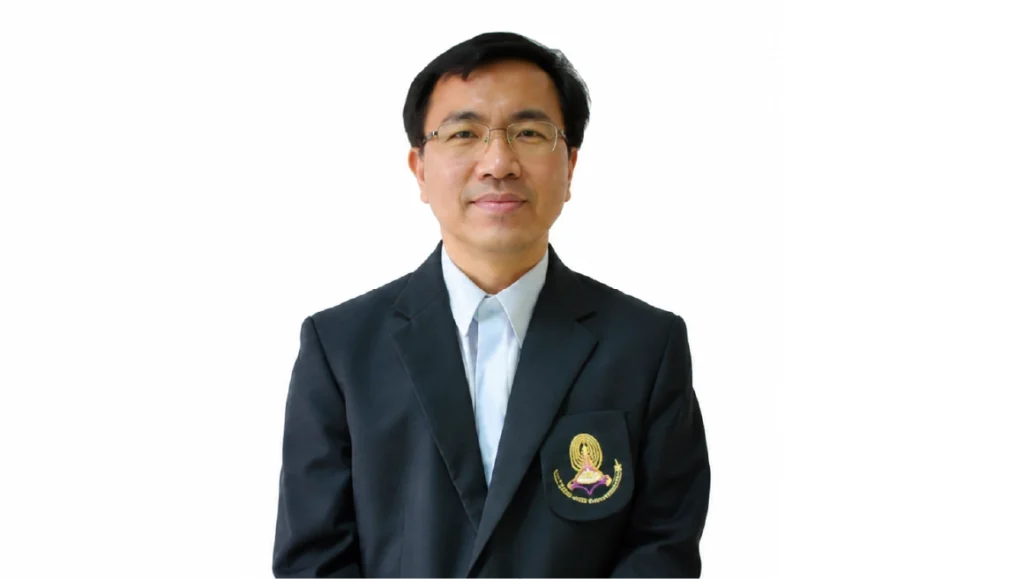
Associate Professor

ASADA LEELAHAVANICHKUL

Immunology Unit, Department of Microbiology, Faculty of Medicine

Research interest :

  • Sepsis, probiotics
  • macrophages
  • neutrophils and animal models

biography :

Post doctoral fellowship at NIH, USA for 5 years with 15 publication, including “Nature medicine”. Currently, 10 years in Chulalongkorn with 127 publications on “pubmed” and 20 publications per year for 3 years in a row. Our teams consist of nearly 15 persons with several laboratory techniques (Flow cytometry, Con focal microscopy, Seahorse cell energy analysis, microbiome analysis, etc.). Our ultimate goal is to translate the knowledge from basic science to the bedside clinical practice.

Professor

NIJASRI CHARNNARONG SUWANWELA

Director of Comprehensive Stroke centre, King Chulalongkorn Memorial Hospital

Research interest :

  • Neurology
  • Stroke
  • Telemedicine

biography :

Prof. Suwanwela pioneered the ‘Stroke Fast Track’ program and the use of thrombolysis as well as establishment of stroke unit in Thailand. She also had a leading role in the development of telestroke network in Bangkok for acute stroke management. Her research mainly focused on acute stroke care and stroke care system in Thailand. Recently, she is the principle investigator of a large-scale population based study of atrial fibrillation in Thailand. She is also interested in innovation and technology where she received grants for development of stroke homecare robot and AI for stroke subtype prediction with the Faculty of Engineering, Chulalongkorn University.

Professor

YONG POOVORAWAN

Center of Excellence in Clinical Virology, Department of Pediatrics, Faculty of Medicine, Chulalongkorn University

Research interest :

• Hepatology
• Virology
• Molecular biology
• Epidemiology
• Emerging infectious diseas

biography :

Prof. Poovorawan is currently the Director of the Center of Excellence in Clinical Virology, Department of Pediatrics, Faculty of Medicine, Chulalongkorn University. He obtained the MD in 1974 from Chulalongkorn University and his specialization in pediatrics in 1978 from Chulalongkorn Hospital. In 1984, he became a Research Fellow in Paediatric Hepatology at King’s College Hospital Medical School, London. 

He is widely noted for his research in the fields of pediatric hepatology, viral hepatitis and virology, and is regarded as a subject expert on clinical virology both nationally and internationally. He has authored more than 480 publications and received numerous awards for his contributions to his fields of research.

HEALTHCARE IS DELIVERED WHERE YOU ARE.

Have you ever imagined being your own personal doctor and managing your own health sitting in front of a TV at home? Testing that once seemed risky out of the hands of medical professionals is now more than ever a touchable reality. The advancement of handheld technology has brought an explosion of personal health gadgets such as smart watches that can monitor heart rate, blood pressure, breathing, and calories burned. High-speed internet advances have allowed for the efficient use of mobile phone applications, online consultant services, telemedicine, and even AI therapists. Some laboratory tests can even be ordered from home at the click of the button, with tool kits delivered and results available quickly online. 

Future prospects of healthcare are moving from being doctor-centered to the patient viewpoint. Disease treatments will also expand to lifestyle remedies and coaching and extend out from visits to the hospital to a 24/7 online service. We might see more data doctors, where personal information of patients is streamed through an online platform and managed by professionals behind screens in ‘Care Hubs.’ After analysis of the person’s health data, they can provide individualized consult to each person, and recommend fitness programs that utilize entertainment and games to increase compliance. Personal devices will have bio-sensors to detect critical vital signs like irregular heartbeats and will be able to immediately send alerts to their doctors for any signs of life threatening conditions. Healthcare will be accessible where ever as internet connectivity becomes more and more ubiquitous.